
Sealing in instrumentation
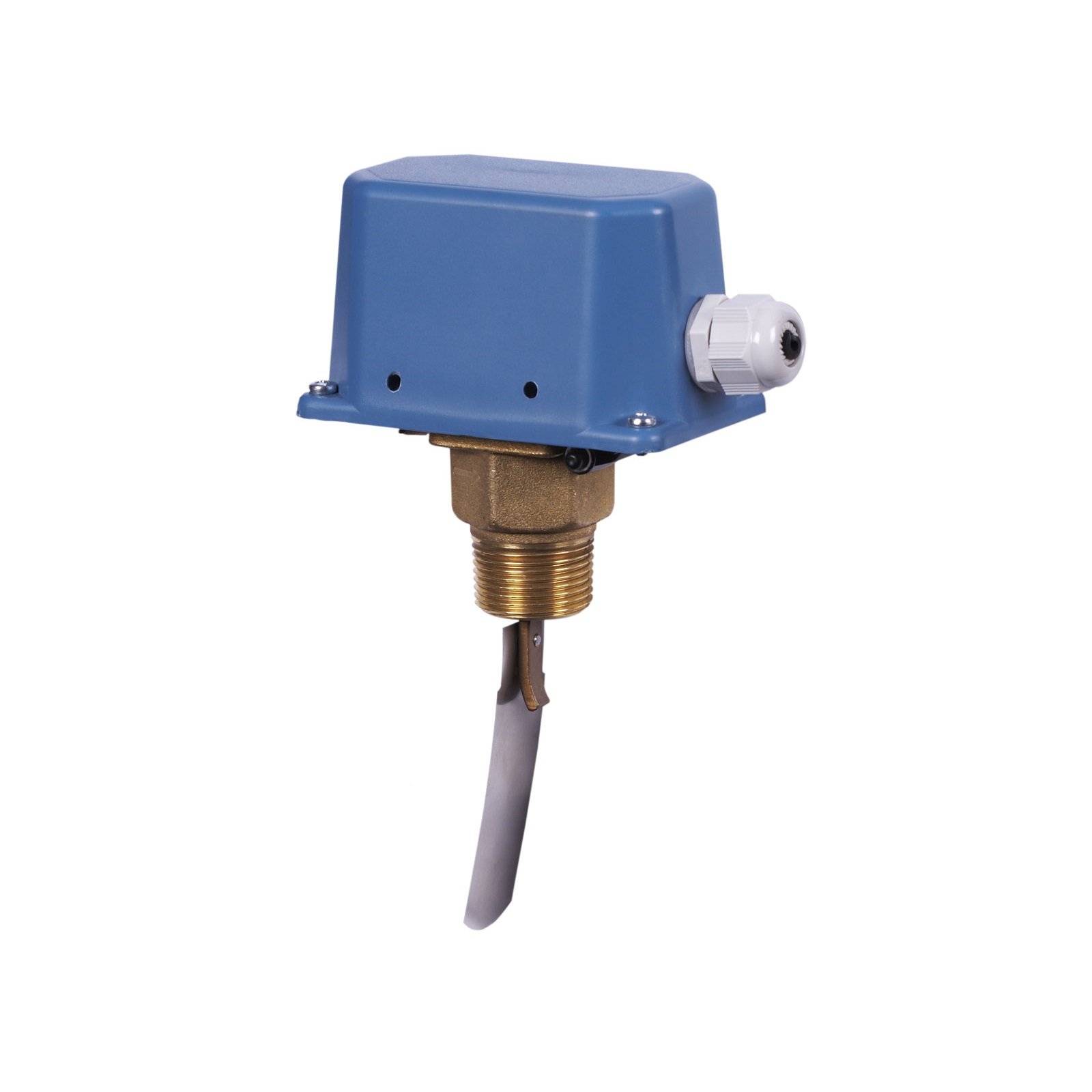
Pedal flow switch
September 3, 2017
Vibration Switch
September 24, 2017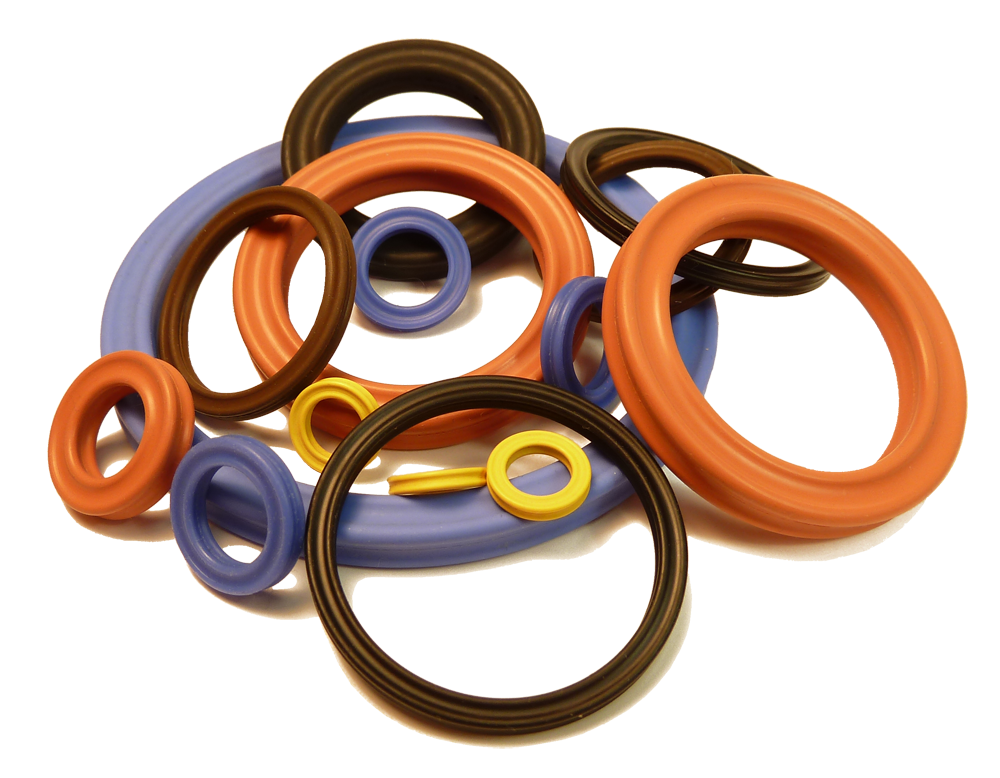
Sealing in instrumentation
Elastomers are materials from the polymer family that possess high tensile, abrasion, and elastic properties. These materials have a wide range of applications across various industries, which is beyond the scope of this discussion. However, in piping and instrumentation systems, they are used as sealing materials (to prevent fluid leakage), which will be examined in the following sections:

Pure Gum Rubber
This material is used as a sealing element in valves. Its outstanding features include excellent strength, high tensile and abrasion resistance. It is suitable for use with fluids such as organic and inorganic acids, alcohols, and ketones.
Continuous (Operating) Temperature: -50° F to +180° F
Neoprene
This elastomer has high resistance to moderate chemicals, fats, and hydrocarbons, and is used in the food industry.
Continuous (Operating) Temperature: -50° F to +230° F
Buna-N
This material has very high resistance to hydrocarbons, fats, oils, and white spirit.
Continuous (Operating) Temperature: -50° F to +230° F
Chlorobutyl
This elastomer is generally resistant to fats, oils, greases, ozone, heat, and strong oxidizing chemicals. It is worth noting that chlorobutyl has the lowest permeability to a wide range of hydrocarbon fluids.
Continuous (Operating) Temperature: -50° F to +250° F
Polyurethane
Polyurethane has excellent abrasion resistance and a lower temperature range, as well as high resistance to air and ozone.
This material has high resistance to oils and fuels and is generally resistant to moderate chemicals, fats, diluted acids, and many hydrocarbons.
Continuous (Operating) Temperature: -50° F to +300° F
Viton
Viton has good resistance to many oils, chemicals, solvents, and halogenated hydrocarbons, as well as to ozone and oxygen.
It also has resistance to water and weathering, and features a higher operating temperature range compared to the other elastomers mentioned above.
Continuous (Operating) Temperature: -50° F to +400° F

