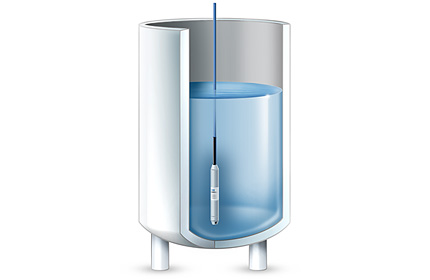
Float Level Transmitter
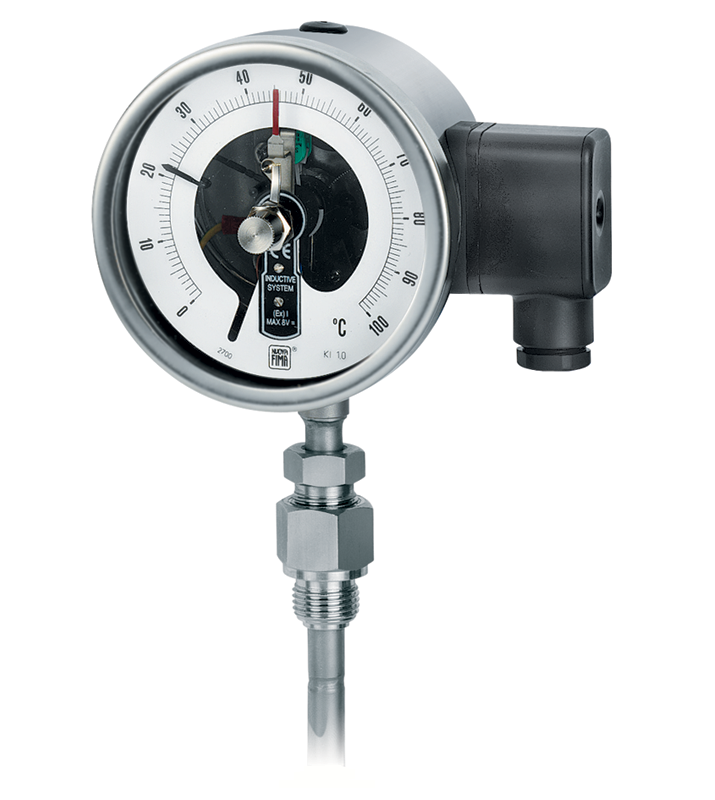
February 24, 2019Temperature Control by On/Off Method
January 12, 2020
Important Considerations in the Design and Selection of Control Valves (Control Valve):
As we know, control valves are used in industrial processes to regulate the flow rate or throughput.
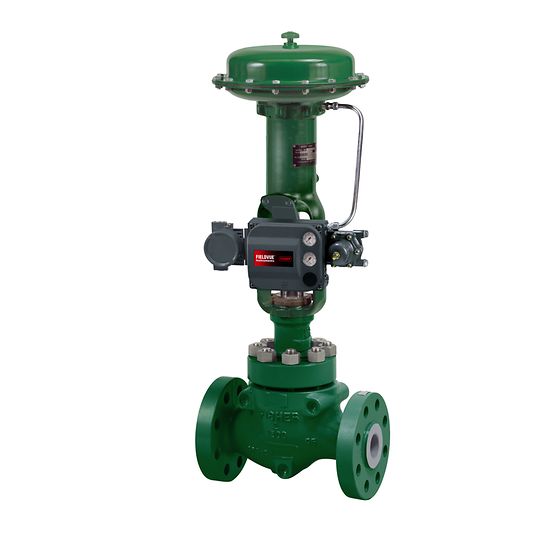
The main components of a control valve include the valve body (usually a globe valve) and an actuator (typically pneumatic).
The actuator provides the force required to change the position of the valve plug by applying and varying the input air pressure. Regardless of the structural design and different mechanisms, which we have previously discussed in detail, in this section we aim to explain practical concepts, as well as operational and installation considerations for selecting and using these types of control valves.
The concept of over-sizing in control valves: The air signal applied to control valves is usually 3-15 psi. Consider a Normally Closed or Air-to-Open control valve. When pneumatic pressure is applied to the valve, if the flow reaches the desired set point at a low pressure (for example, 5 psi), it indicates that the control valve is oversized, and a smaller valve size should be selected for that line.
The concept of Bench Set in control valves: In cases where the flow rate and line pressure are high, a 15 psi signal may not be sufficient to fully close the valve, and additional force is required. In such situations, a Bench Set is used. The Bench Set defines the minimum and maximum pressures needed to achieve the full stroke of the actuator (complete opening and closing).
If you are dealing with a corrosive fluid composed of various substances and do not have access to its chemical properties, select the valve body and trim materials to match the pump body and impeller materials.
Avoid operating the valve continuously at flow rates below 15% of its capacity, as this causes high wear on the valve mechanism. If the fluid is abrasive or erosive (such as steam), it can lead to short-term damage to the valve trim.
If there is a high differential pressure across the valve or the fluid velocity exceeds 10.2 meters per second, noise is likely to occur. To prevent this, the valve size should be increased so that the desired flow rate is achieved at a lower velocity.