
Diaphragm Seal
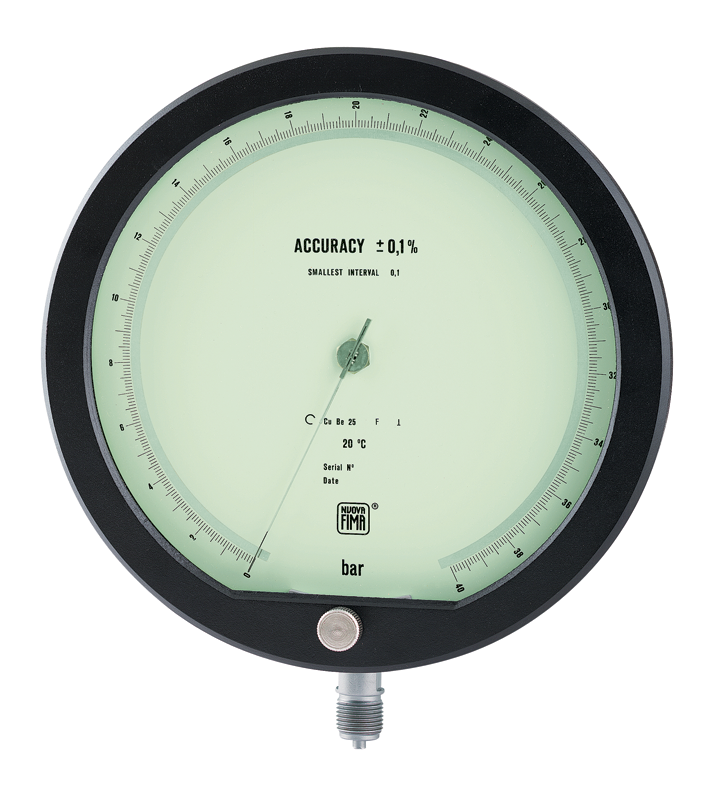
Test Gauge
October 2, 2017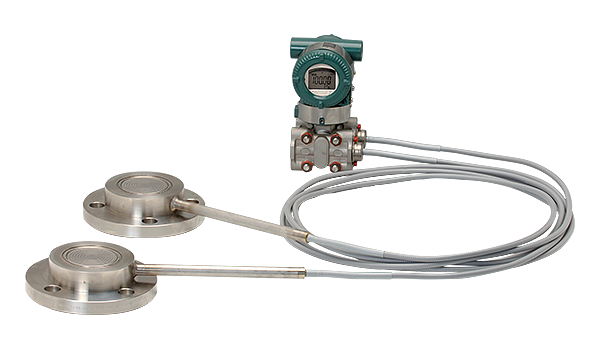
Differential Pressure Transmitter
October 15, 2017
What is a Diaphragm Seal?
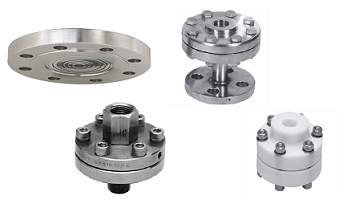
In fluids with high viscosity and corrosiveness, a chemical seal or diaphragm seal is used. In fact, diaphragm seals are employed to prevent direct contact of the measured fluid with the sensing element. These sensors, which are usually metallic or made from specific types of flexible polymers, are manufactured as a flat or corrugated membrane. One of the key advantages of diaphragm seals is their ability to protect other pressure measuring instruments from harsh conditions, such as high temperatures and corrosive fluids, while also providing excellent sealing performance.
In other words, these types of sensors require significantly less additional sealing equipment. For this reason, in many pressure measurement devices, a diaphragm is used as the pressure-sensing element.
These devices utilize either the displacement property of the diaphragm seal or the surface strain property for measurement purposes.
For example, capacitive, inductive, resistive, and piezoelectric transducers use the displacement created by the diaphragm to measure pressure changes, while strain gauge transducers utilize the stretching property of the diaphragm surface.

Pressure Gauges Diaphragm
These sensors, which are usually metallic or made from specific types of flexible polymers, are manufactured as a flat or corrugated membrane. Primarily, these devices are used to measure differential pressure. In a differential pressure cell (DP cell), the mechanical deformation of the diaphragm causes a small displacement as well as surface strain. These two properties—displacement and surface strain—can be independently used to measure the applied differential pressure. In fact, the amount of strain and displacement created has a defined relationship with the applied differential pressure. Therefore, by knowing one of the two pressures, the unknown pressure can be determined.
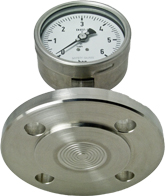
Diaphragm Pressure Sensor
One of the key advantages of diaphragms is their ability to protect other pressure measuring instruments from harsh conditions, such as high temperatures and corrosive fluids, as well as their excellent sealing performance. In other words, these types of sensors require significantly less additional sealing equipment. For this reason, in many pressure measurement devices, a diaphragm seal is used as the pressure-sensing element. These devices utilize either the diaphragm’s displacement or its surface strain for measurement. For example, capacitive, inductive, resistive, and piezoelectric transducers use the displacement generated by the diaphragm to measure pressure changes, while strain gauge transducers utilize the surface strain of the diaphragm.
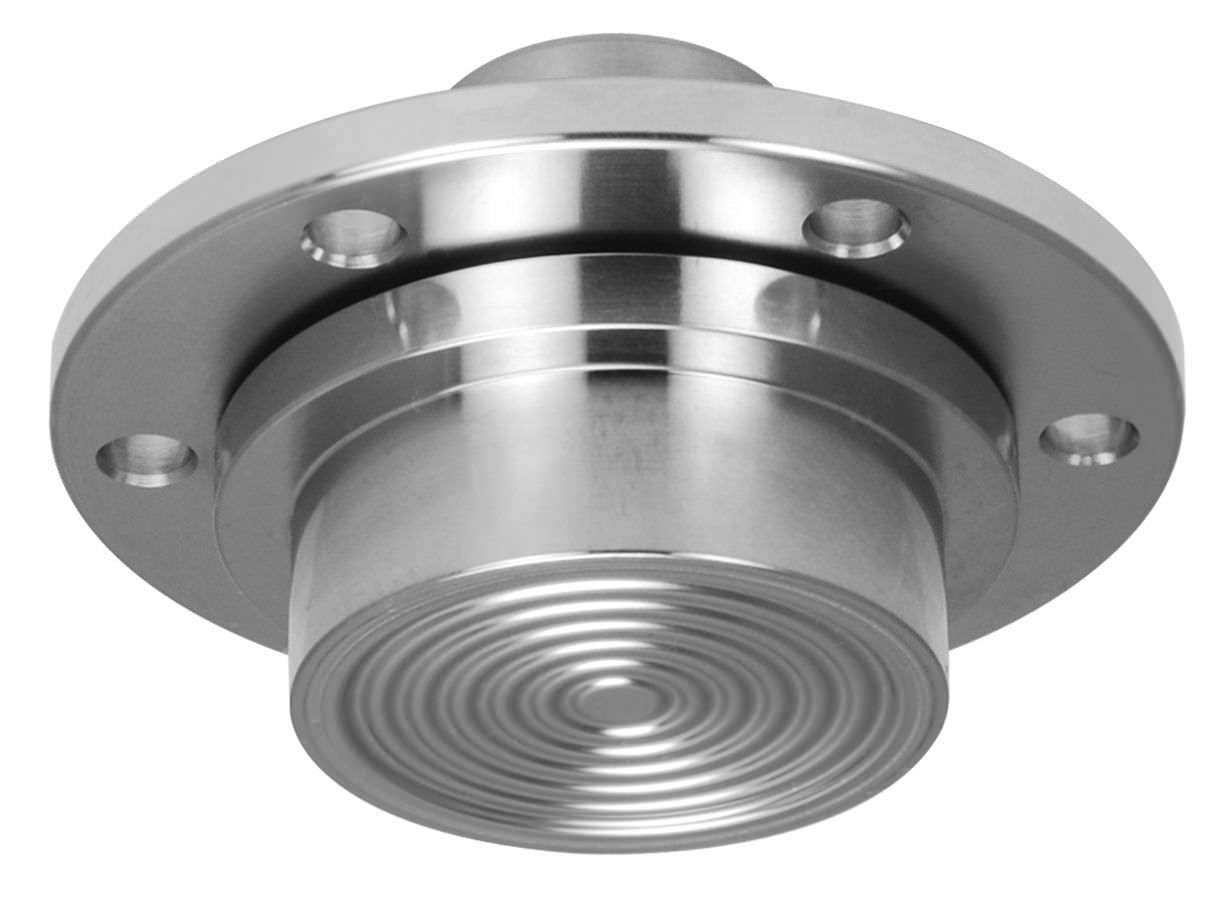
Diaphragm Pressure Transmitter
Since many diaphragms made from non-metallic materials are sensitive to corrosive substances and mechanical impact, two diaphragms are used in such cases. The first diaphragm, which is in contact with the process fluid, is usually made of stainless steel. The deformation of this first diaphragm under the influence of the fluid pressure causes an incompressible and non-corrosive intermediate fluid to move. Typically, silicone oil, which also absorbs shocks and vibrations, is used as the transfer fluid. This fluid transmits the pressure to the second diaphragm, which is mostly non-metallic.
Diaphragm Seal
Since the installation of diaphragms requires specific conditions, such as being mounted between two flanges, their replacement and calibration can be challenging. For this reason, in many cases, a capsule consisting of two connected metal diaphragms is used. This capsule is connected to the process fluid via a tube. When the process fluid enters the capsule, it applies pressure to the capsule walls, causing deformation of the diaphragm walls. Capsules can also be arranged in series, which increases the total displacement generated.
Diaphragm sensors, compared to Bourdon sensors, are less sensitive to environmental vibrations due to their larger support surface. Additionally, these sensors are widely used for measuring the pressure of viscous fluids. It is worth noting that a major drawback of diaphragms is the adjustment of the zero point.
دیافراگم سیل، اشکرافت دیافراگم سیل چیست، دیافراگم سیل رویگر ،ساخت دیافراگم سیل، قیمت دیافراگم سیل ،کاربرد دیافراگم سیل،نوافیما , nuova fima

