
Types of Flow Meters
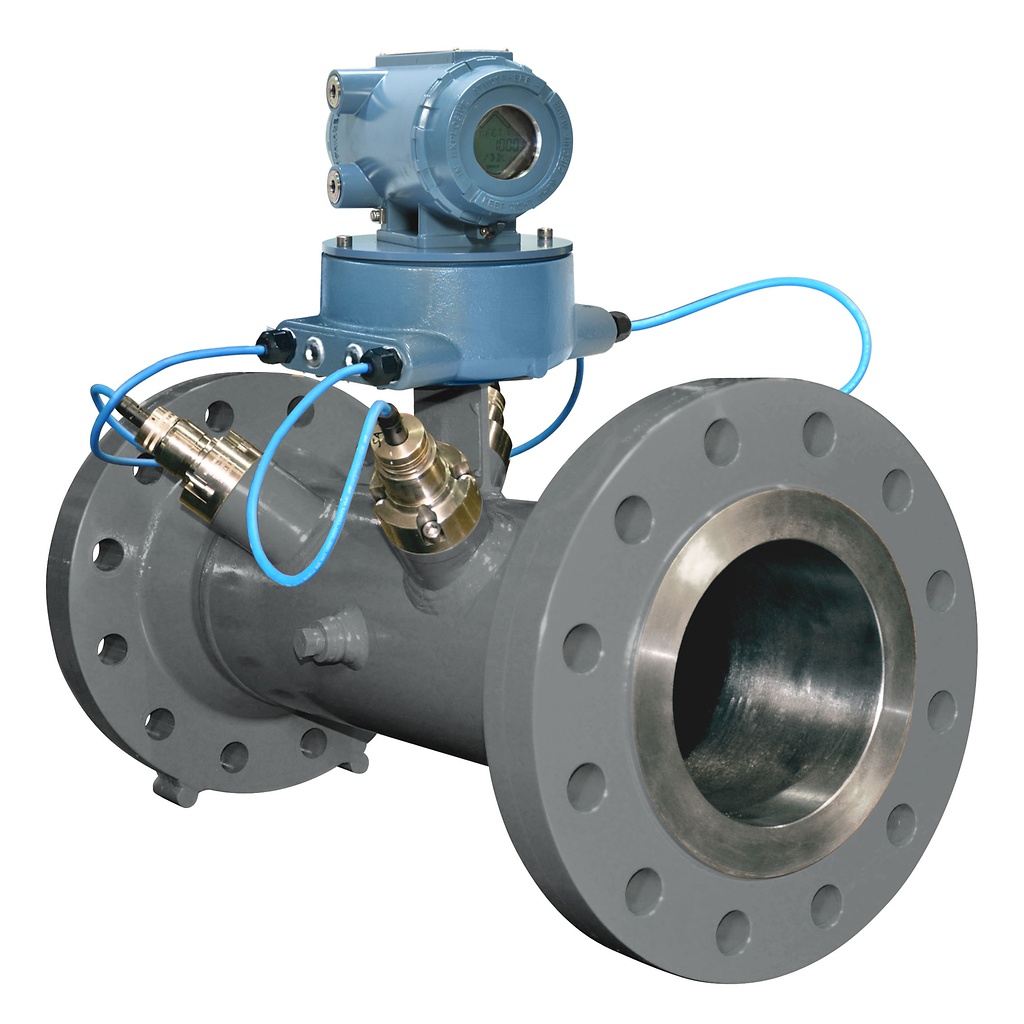
Turbine Flow Meter
November 5, 2016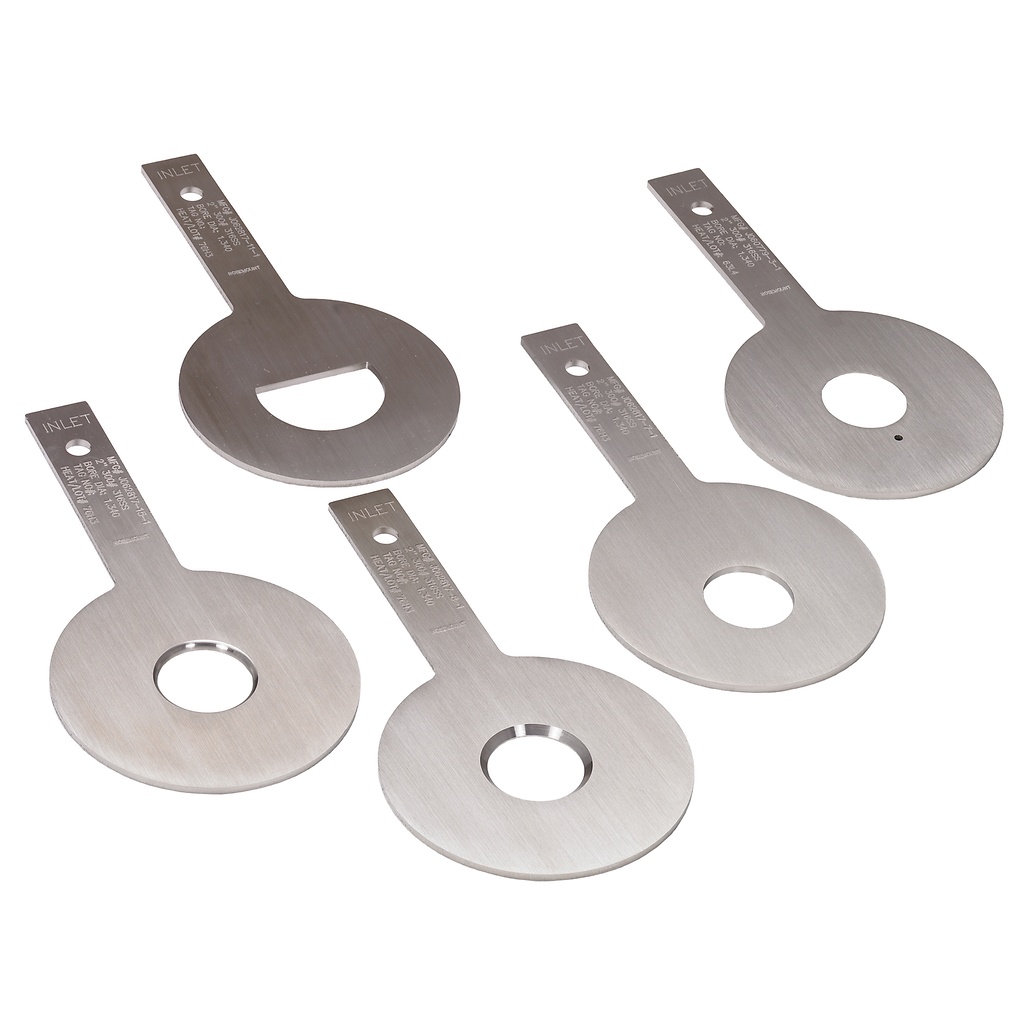
Orifice Plate
November 5, 2016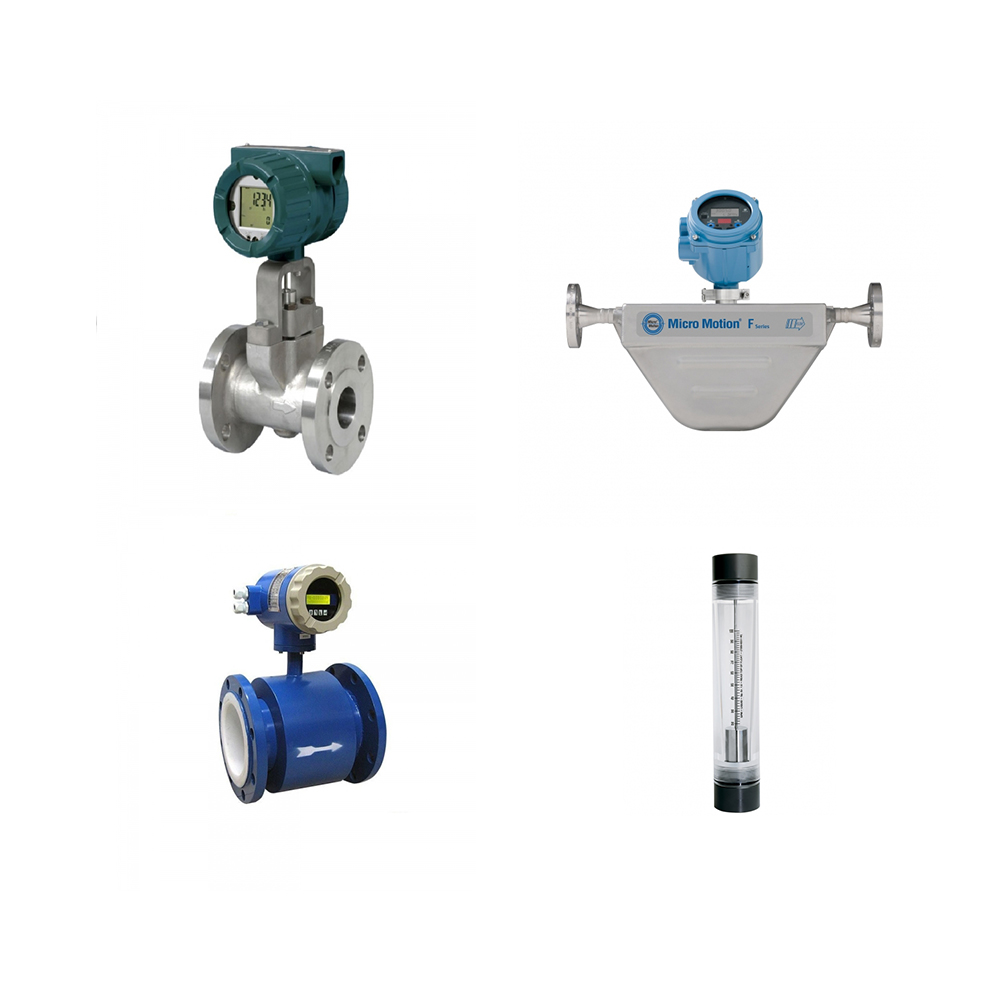
Mass Flow Master
It is a flow measurement method based on weight, which is why it is called a mass flow meter or mass flowmeter. In these types of flow meters, the flow of liquid or gas can be measured separately from pressure, preventing measurement errors in gas flow caused by temperature and pressure fluctuations.
Turbine Flow Meter
Turbine flow meters are easy to use and consist of a turbine with specific blades. Along with a sensor, such as a proximity switch, each rotation of the turbine generates pulses due to the fluid flow. The flow meter's range is determined by calibrating the device according to the flow rate and the number of pulses generated.
Magnetic Flow Meter
In this type of flow meter, two specific coils are placed on either side of the pipe to create a magnetic field within the pipe and between the coils. By placing two annular electrodes inside the pipe, in the flow path of the fluid, a potential difference is generated across the electrodes, which indicates the presence of magnetic particles within the fluid. This potential difference is induced according to Faraday’s law of induction. The generated potential difference is related to the velocity of the particles and, consequently, the fluid flow rate. By measuring this potential difference and using the governing equations of the system, the flow rate of the fluid can be calculated. The main disadvantages of this method include the following:
- The need for the installation of special equipment inside the pipe and at the fluid flow path junctions.
- High noise susceptibility (sensitivity to induced noise).
Rotameter Flow Meter
A rotameter serves as an instantaneous flow indicator or flow meter. It is part of the variable area technique used for flow measurement. A common type of rotameter consists of a glass cylinder, which is calibrated based on the flow of the specific fluid over time. A metal conical piece moves upward in the glass as the flow increases. In industry, the rotameter is adjusted based on the fluid's temperature, density, viscosity, and pressure.
Positive Displacement
Positive displacement flow meters are used for the precise measurement of fluids, especially for viscous liquids, and come in various types.
Orifice Plate Flow Meter
The principle of operation is such that a pressure drop is created in the flow path, resulting in a pressure difference across the flow restriction. This pressure difference is measured by a differential pressure transmitter or a pressure differential gauge. By using the formulas applied in fluid dynamics, this pressure difference can be calibrated to determine the flow rate.
Vortex Flow Meter
A vortex flow meter operates based on the measurement of the oscillations generated behind an obstruction in the fluid. Vortex flow meters are widely used in various industries to measure the flow of liquids, gases, and steam. In a vortex flow meter, the flow is measured volumetrically. To measure mass flow, especially in cases like steam, a separate pressure transmitter and temperature sensor are required, and by connecting them to a flow computer, the mass flow rate can be calculated based on the amount of energy transferred.
Open Channel Flow Meter
Open channel flow meters are used to measure the volume of fluid passing through a channel. In this method, the flow is determined by measuring parameters such as the water head at specific cross-sections. The measurement of wastewater flow or changes in water level is calibrated based on the flow rate.

