
Tank Level Monitoring and Control Using Capillary Pressure Transmitters
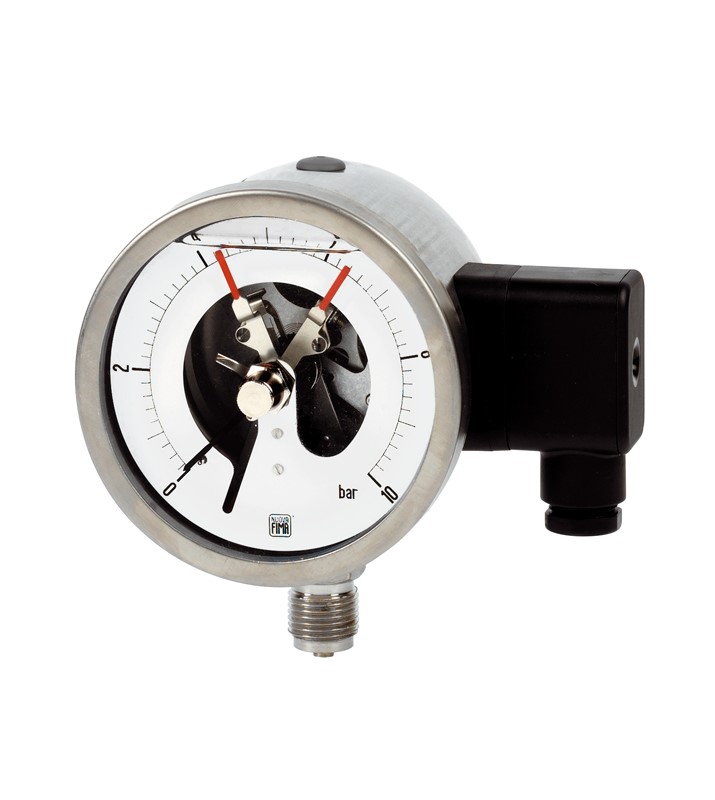
Tank Level Control Using Pressure Switch Gauges
September 7, 2020
Pneumatic Systems
November 4, 2020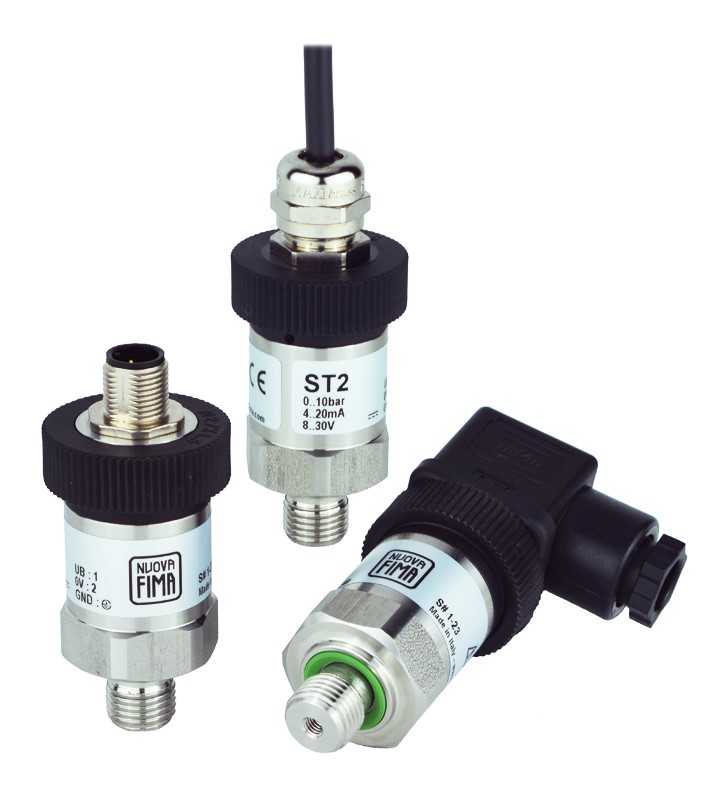
Monitoring Tank Level Control Using Capillary Pressure Transmitters
Measuring and controlling the material level in tanks is one of the most important tasks in automation across various industries, including oil, gas, petrochemical, and steel. The materials in the tanks can be solid, liquid, or multiphase, and the appropriate and optimal mechanism must be selected based on the type of application and process conditions.
The fluid level measurement using the hydrostatic method is based on assessing the hydrostatic pressure exerted by the liquid column at the bottom of the tank. This pressure is calculated using the formula: P = ρgh.
For monitoring and controlling the tank levels using a capillary pressure transmitter, which is a highly accurate and cost-effective method, the transmitter's range is first calculated using the formula P = ρgh by considering the maximum fluid height in the tank. In the next step, if the fluid in the tank is corrosive or has a high temperature, a diaphragm seal will be used.
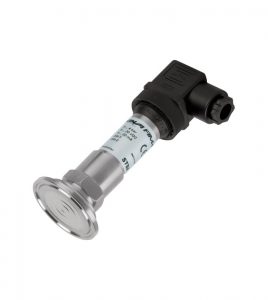

The selection of wetted parts material and the diaphragm seal oil will be determined based on the process conditions. By connecting the pressure transmitter to the bottom of the tank, an output of 0–10 V or 4–20 mA can be sent to a local indicator or a PLC AI module. Since indicators can have switches and a 4–20 mA output, they can serve as local display devices, while the contact outputs can be used in control circuits and automation systems. It should be noted that High and Low setpoints can be configured via software on the indicator, and simultaneously, the 4–20 mA output can be used for HMI in the control room.
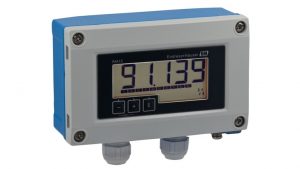
Isatis Process Instrument is the official and exclusive representative of the company. NuovaFima in Iran, is proud to provide this equipment and other industrial instrumentation products with immediate delivery or on a scheduled basis.

