
Pressure Transmitter

What is a Temperature Transmitter?
February 3, 2022
Manifold Valve
February 21, 2022Pressure Transmitter
Pressure Transmitters are among the most widely used and essential instruments in the field of instrumentation. In control and instrumentation systems, transmitters are devices that convert signals received from sensors into standardized signals that can be interpreted by the control unit.
A pressure transmitter is a device used to receive, convert, and transmit signals representing pressure in fluid transfer systems, such as gas, liquid, air, and oil.
Pressure measurement devices, such as transmitters, are used in industries including oil and gas, refineries, power plants, food processing factories, petrochemical plants, chemical production facilities, mining projects, construction projects, pharmaceutical factories, paper mills, piping systems, sanitation installations, cooling systems, and more. In other words, in any industry where fluid pressure needs to be measured and controlled, pressure transmitters are considered as one of the primary options.
Isatis Farayand Abzar Company We supply a wide range of general-purpose pressure transmitters as well as specialized pressure transmitters required by various industries, from reputable European and Asian brands, including Rosemount, Endress+Hauser, Foxboro, Krohne, and more.
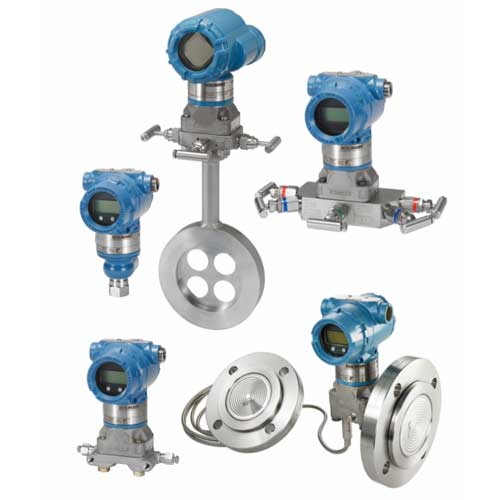
A PT (Pressure Transmitter) converts the measured pressure into a 4–20 mA analog signal, enabling operators to monitor the pressure in real-time from a remote location outside the site.
Each transmitter contains a transducer. A pressure transducer is a device used to convert a mechanical signal into an electrical signal. For example, an electrical transducer directly measures the value or change of physical quantities, such as temperature, and converts it into a corresponding analog signal. The output of a transducer is usually in the form of voltage.
A transmitter is responsible for receiving the electrical signal from the transducer, amplifying it into a much stronger electrical signal, and sending a readable signal to the PLC control system. The output of a transmitter is usually in the form of current. For example, if a pressure transmitter has a range of 0 to 100 bar, a 4 mA signal in the control room represents 0 bar, while a 20 mA signal indicates 100 bar at the site. Naturally, a 12 mA signal corresponds to a line pressure of 50 bar.
Pressure transmitters are generally classified into three main categories based on their measurement criteria and mechanisms.
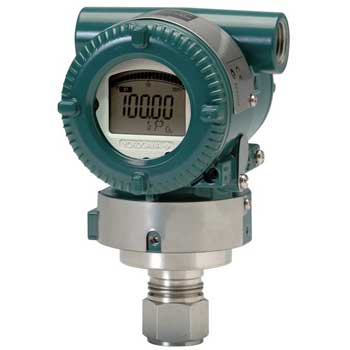
Absolute Pressure Transmitter
The pressure is transmitted as a signal from the sensor to the transmitter. After receiving this signal and converting it into standardized data, the transmitter sends another signal to the controller. The output of an absolute pressure transmitter is typically a 4–20 mA analog current sent to the control room. These transmitters are commonly used for monitoring vacuum pump performance, measuring liquid pressure, industrial packaging, controlling industrial processes, and assessing the quality of aerospace equipment.
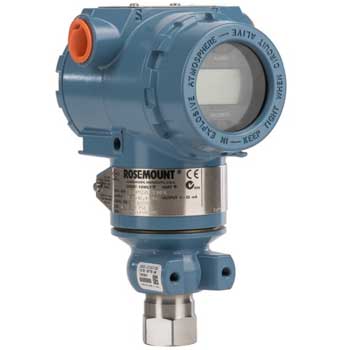
Gauge Pressure Transmitter
The presence of a port connected to the external environment (as shown in the image below) exposes the sensor to ambient pressure. In other words, the pressure measurement reference shifts from absolute zero to relative zero (atmospheric pressure). When the fluid applies pressure to the sensor, it generates a signal representing the gauge pressure, which the transmitter then converts into a standardized output signal.
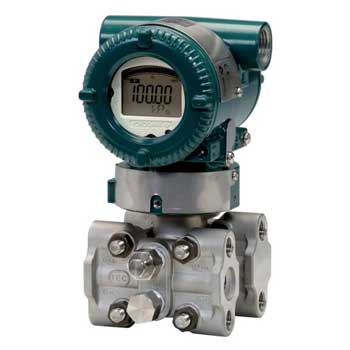
Differential Pressure Transmitter
Pressure Gauge Brands
Isatis Farayand Abzar Company supply a wide range of pressure transmitters from leading global brands such as Rosemount, Yokogawa, Endress+Hauser, Foxboro, Krohne, and more, in Iran.





Pressure transmitters come in many types, each used in different systems and for various applications. Other types of pressure transmitters include the following:
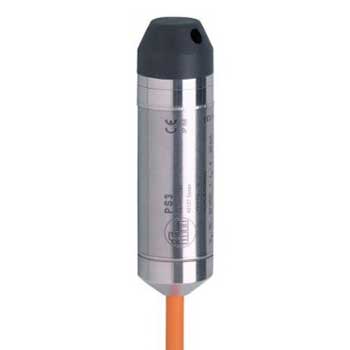
Hydrostatic Pressure Transmitter
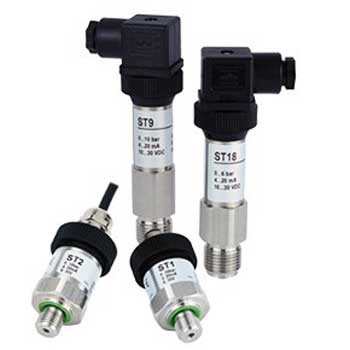
Capillary Pressure Transmitter
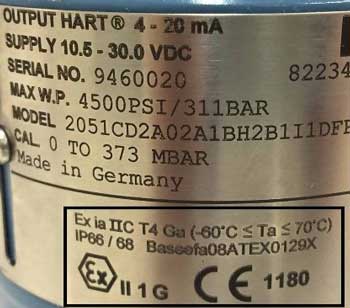
Transmitters designed for pressure measurement in explosive environments and areas with severe vibrations.
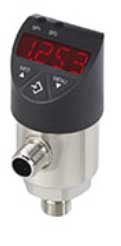
Smart Pressure Transmitter
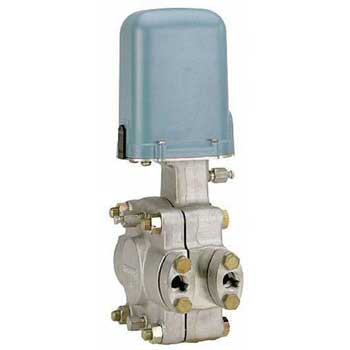
Pneumatic Transmitter
The engineering team at Isatis Farayand Abzar Company also provides consulting services to help select the most suitable model based on operating conditions, environment, and fluid type, as well as to find equivalents for older or sanctioned pressure transmitter brands and models for valued customers.
To contact the experts at Isatis Farayand Abzar Company for consultation, supply, or finding equivalents for older brands, You can send an email to: info@isatis-fa.com or call by phone at 88480795 021 or send a fax to 88480798 021 Share your request with the company’s specialists.

