Level Transmitter
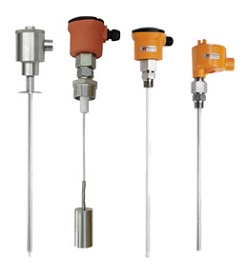
November 7, 2016Capacitance Level Switch
November 7, 2016
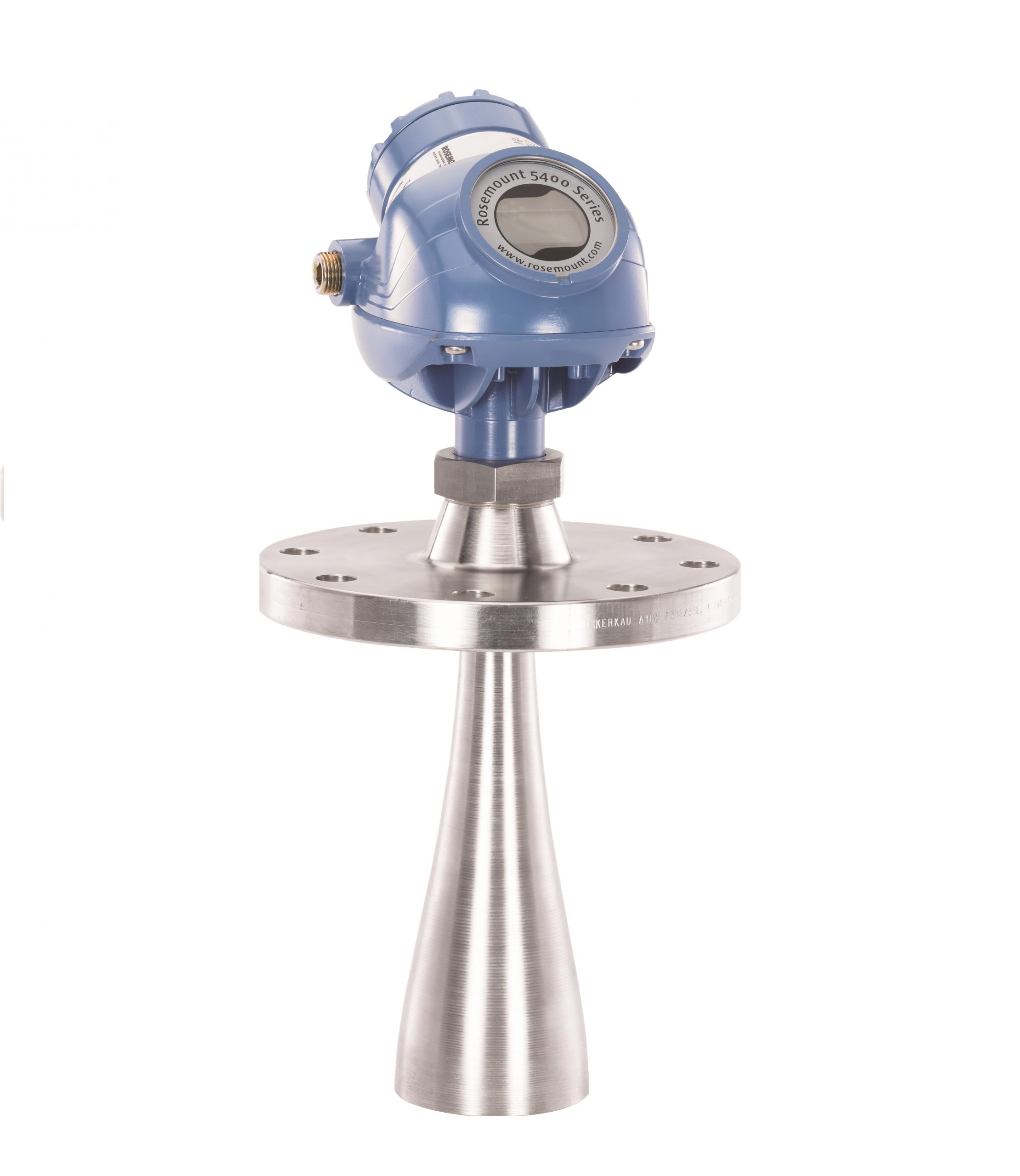
سطح سنج راداری – Radar level Gauge
Radar Level Sensor
Non-contact level measurement using a radar level transmitter or radar level sensor is one of the most accurate and effective methods for measuring tank levels. It is independent of temperature, pressure, density, conductivity, vapor, or dust, making it suitable for powdered or turbulent liquid materials, foamy or frothy surfaces, and dusty or solid materials such as lime or cement tanks, with millimeter-level accuracy. Radar level sensors are available in various models and mechanisms. Radar level transmitters can measure up to 70 meters and operate under high temperature and pressure conditions for a wide range of liquids and solids, including acids and bases, organic solvents, alcohols, oil and petroleum products, liquefied gases, polymer granules, lime, cement, grains, cereals, sugar, minerals, metal powders, carbon, and coal.
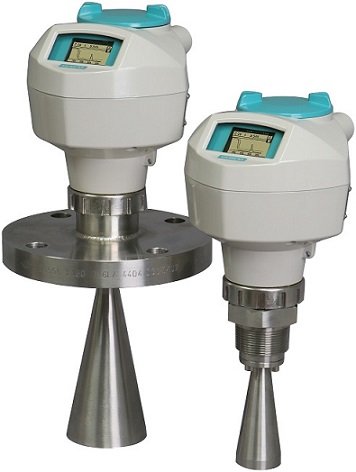
or dust, are highly accurate and effective for measuring tank levels of powdered or turbulent liquid materials, foamy or frothy surfaces, and dusty or solid substances such as lime or cement, with millimeter-level precision.
Ultrasonic sensors are non-contact and proximity (or “proximity”) sensors used in various applications, from object detection to distance measurement and level sensing. Typically, ultrasonic sensors operate by sending a short ultrasonic pulse toward a target, which reflects the pulse back. The sensor then receives and detects the reflected waves as a transceiver. In models designed to measure distance, the time difference between sending and receiving the pulse is used to calculate the distance, effectively functioning as a rangefinder.
Radar level sensors are available in various models and mechanisms. Radar level transmitters can measure up to 70 meters and operate under high temperature and pressure conditions. They are suitable for a wide range of liquids and solids, including acids and bases, organic solvents, alcohols, oil and petroleum products, liquefied gases, polymer granules, lime, cement, grains, cereals, sugar, minerals, metal powders, carbon, and coal.