
What is Instrumentation
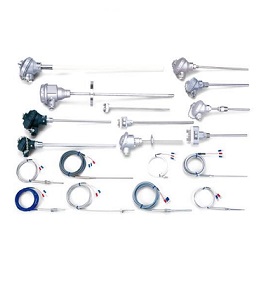
Self-Heating Phenomenon in Sensors
June 24, 2017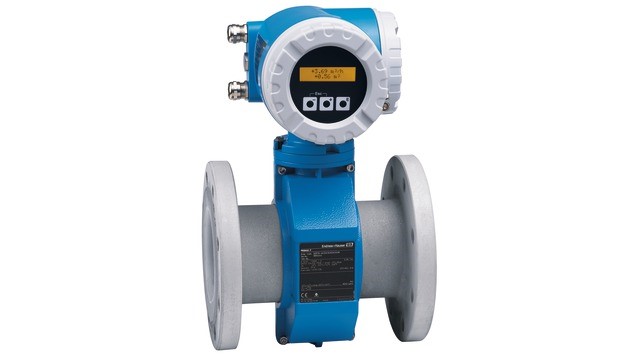
Operation of Electromagnetic Flowmeters
July 2, 2017
Instrumentation
These are devices that, depending on the type of process variable required by the controlled unit—such as pressure, temperature, flow, level, etc.—are selected and used according to the specified conditions and standards. They form the foundation of a control and automation system and include instruments such as various sensors, different controllers, indicators, transmitters, recorders, and more. These instruments are responsible for accurately measuring, transmitting, displaying, recording, and controlling key physical parameters in industrial processes.
Instrumentation can be categorized in two ways. One is based on the type of function of the instruments; for example, devices that perform temperature, pressure, humidity, or level control are known as controllers. Similarly, instruments that display these values are called indicators or displays, and instruments that transmit information as standard signals are called transmitters.
Instrumentation can also be categorized based on the parameter that the device operates on. For example, temperature-related instruments include temperature controllers, temperature transmitters, and thermometers or temperature indicators. There are instruments for precise pressure measurement and control, flowmeters for fluid flow measurement and control, level measurement instruments for monitoring and controlling the level of materials in tanks, as well as instruments for measuring velocity, humidity, and more.
Components of Instrumentation
Instrumentation consists of the following three main components:
1) Measurement
2) Control
4) Actuators (Output Devices)
These three components together form a complete system known as an automatic control system, which is responsible for performing process control within an operational unit.
1. Measuring Instruments
The measuring component determines the actual value of the desired element. Various parameters are measured in industries for control purposes. The most important parameters measured in industrial control processes include:
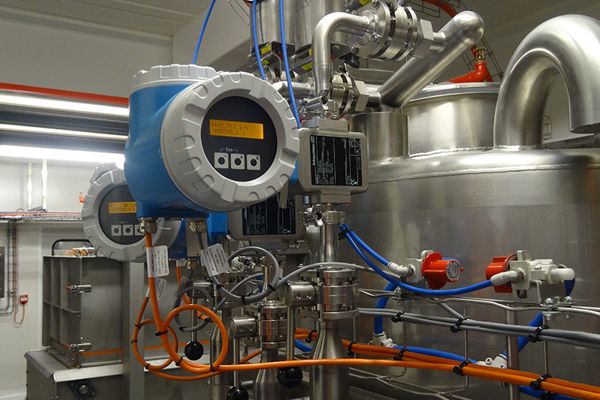
measurement of the pressure
measurement of the temperature
measurement of the flow
measurement of the level
2. Controllers
The second component of instrumentation is the control section. At the beginning of industrial development, control was performed manually by human operators. With the advancement of science, automatic control systems emerged with pneumatic devices, marking a new stage. Later, with the invention of the transistor, electronic control cards were introduced, reducing the need for human intervention. Subsequently, industrial computers known as PLCs were introduced, allowing units to be easily controlled and modifications to be implemented efficiently.
Today, more advanced controllers such as Distributed Control Systems (DCS) and Fuzzy Controllers (FCDD) are responsible for process control in industrial units.
۳.محرکها (ادوات خروجی)
محرکها ادواتی هستند که سیگنال خروجی را از قسمت کنترل کننده می گیرد و متناسب با این سیگنالها عمل می کند. از عمده ادوات خروجی می توان به شیرهای کنترل و الکتروموتورها اشاره کرد. این ادوات با عملکرد خود باعث کنترل پارامترهای اندازه گیری شده در مقدار مطلوب و مورد نظر می شوند . این ادوات گستره تنوعی زیادی دارند.
Instrumentation Engineering is an interdisciplinary field that deals with the measurement of physical quantities such as pressure, temperature, material levels in tanks, flow, and more, as well as their control. Due to the presence of electrical sensors, instrumentation engineering has a close relationship with electrical and electronic engineering.
This field extensively focuses on the design and control of industrial systems. Sensors, transmitters, measuring instruments, and modern controllers play a highly important role in this discipline.

